Local Wisdom Research and Innovation towards Regional Sustainable Development, 25-26 November 2026.
Speakers


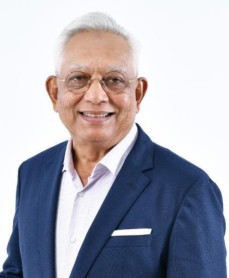
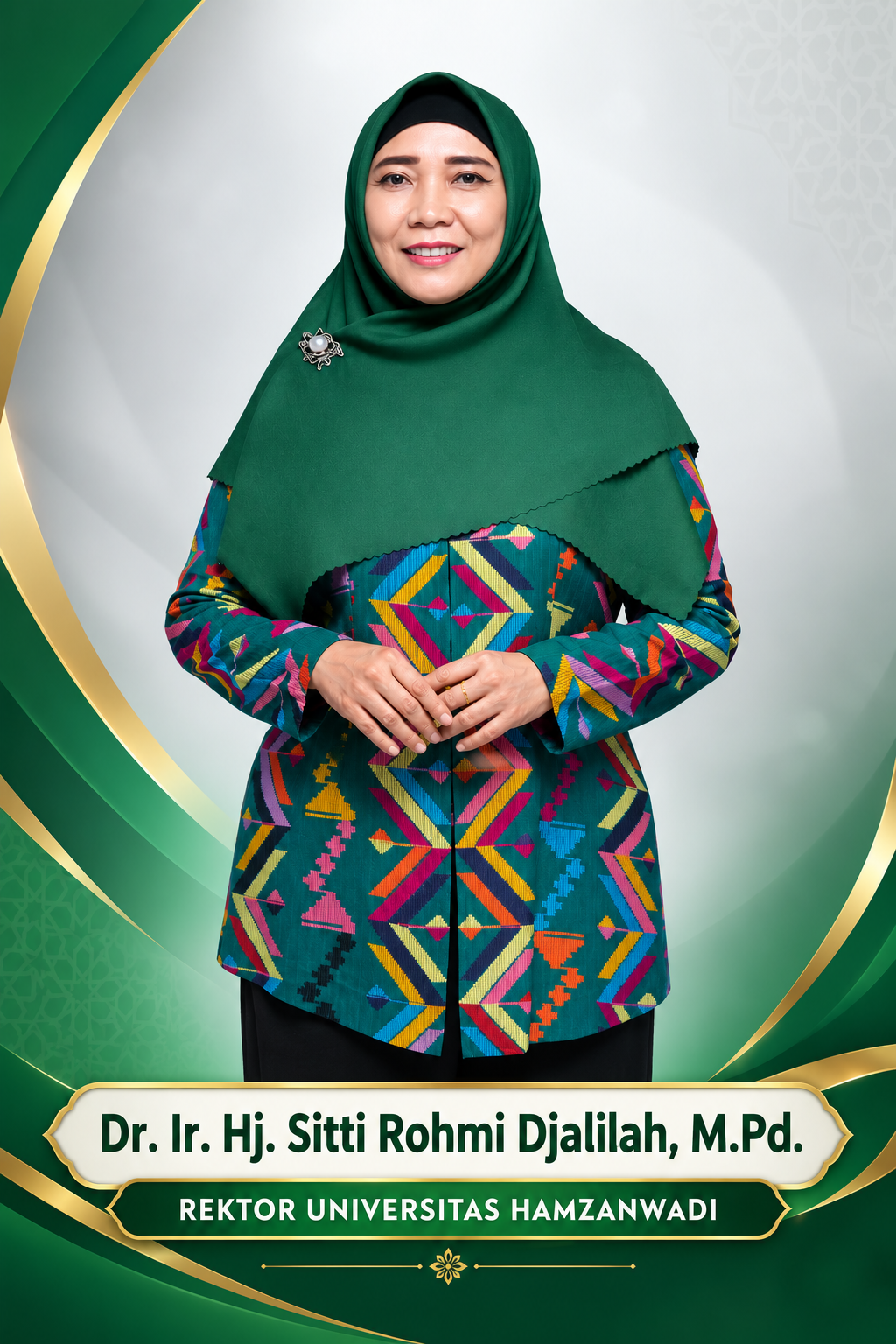
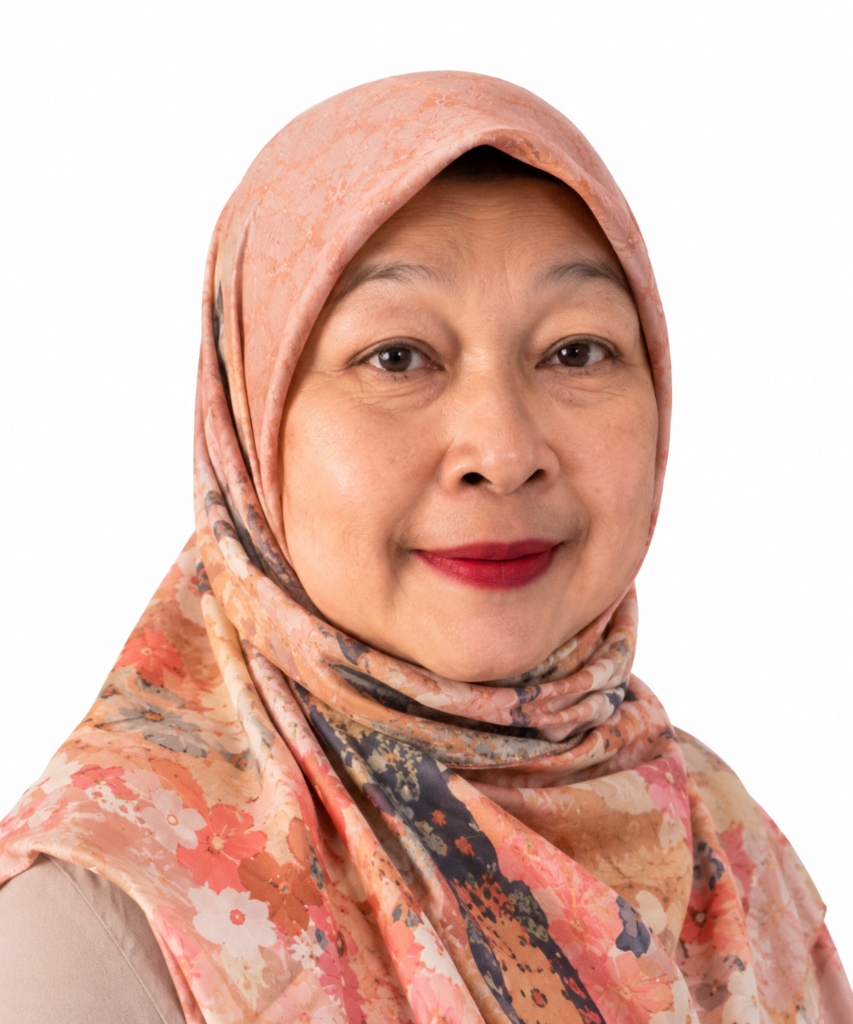

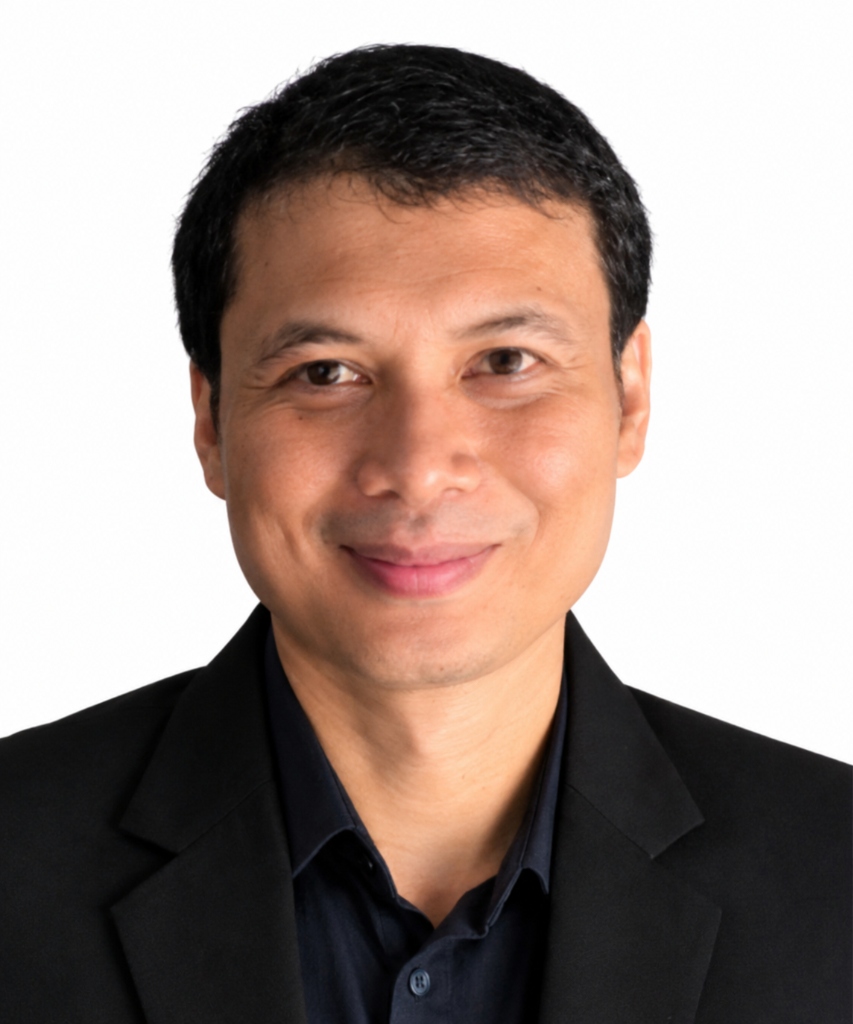


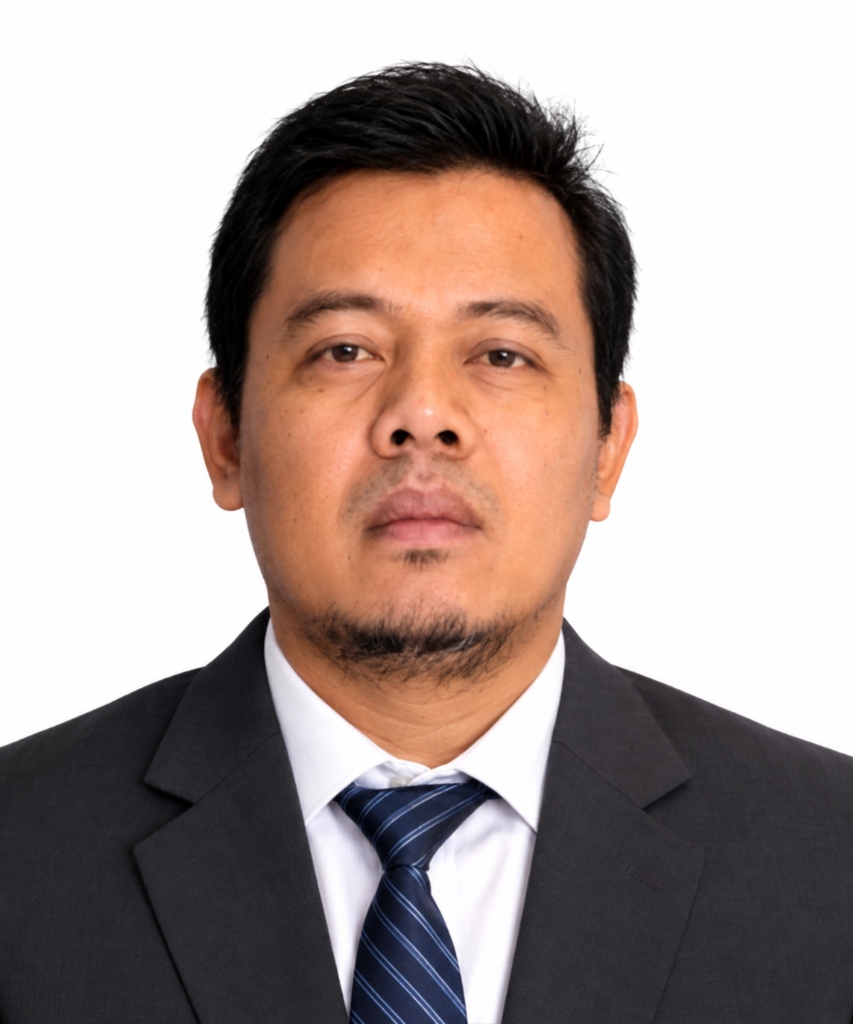
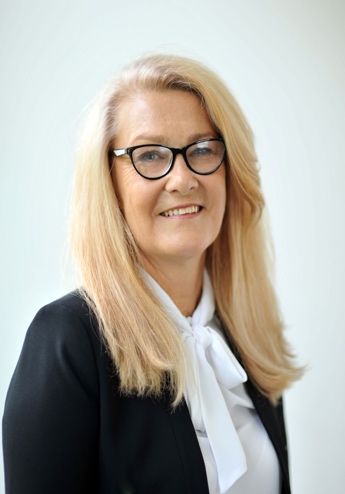




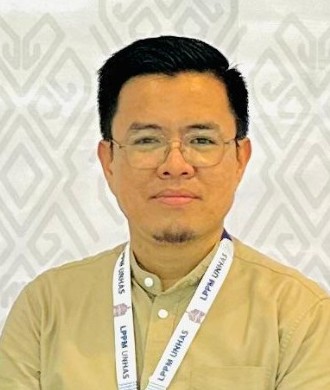
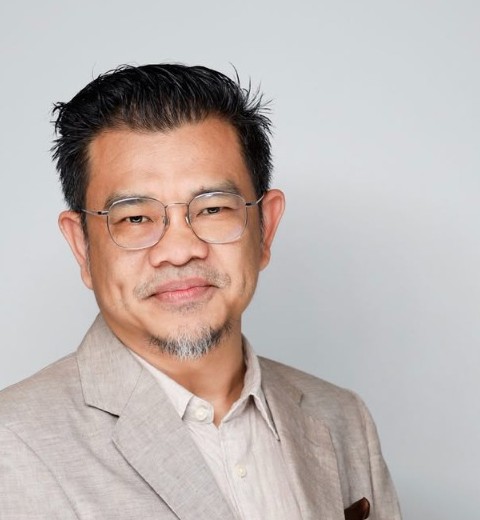

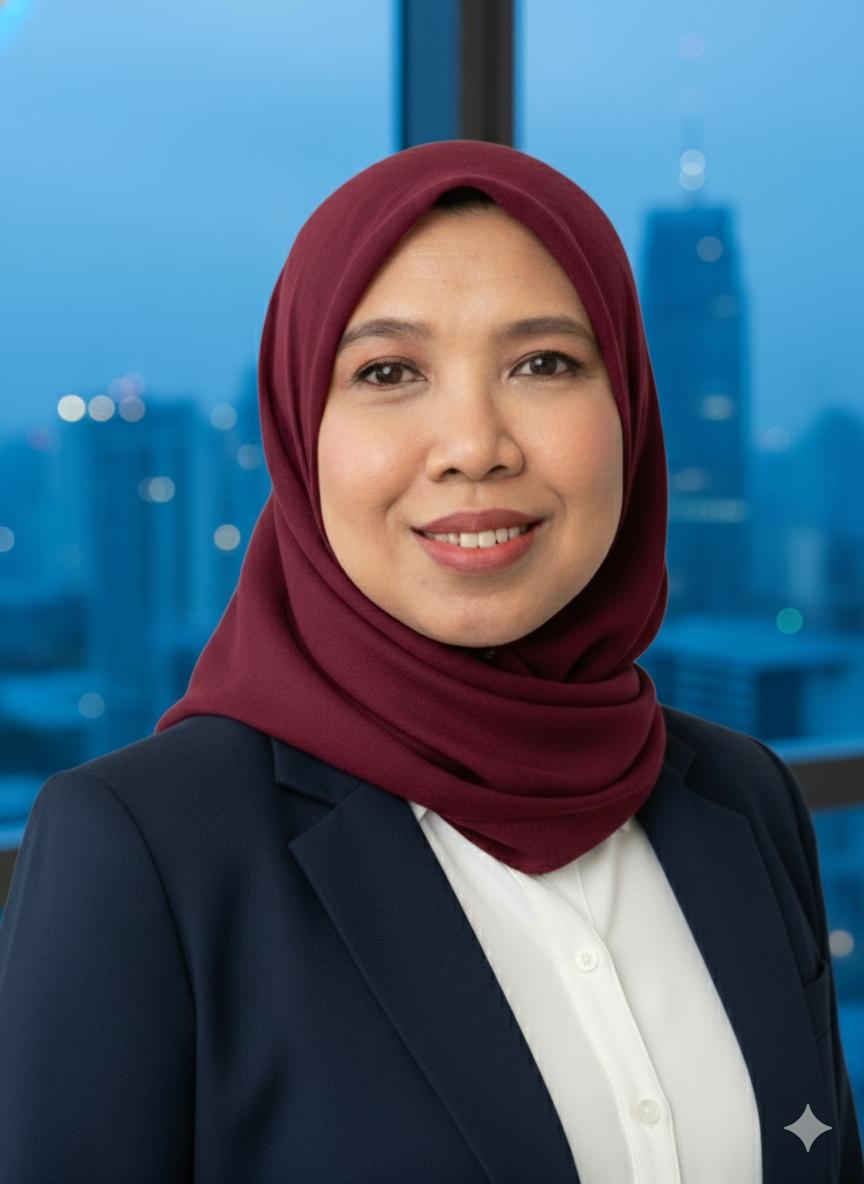
Speaker profiles and session assignments may be updated by the organizing committee.
Scientific Committee
International Committee
National Committee
Venue
Raja Hotel Kuta Mandalika, Central Lombok, Indonesia
Conference location
Raja Hotel Kuta Mandalika, Central Lombok, Indonesia
ICISDev 2026 will be conducted in hybrid format on 25–26 November 2026.
 Senggigi Beach
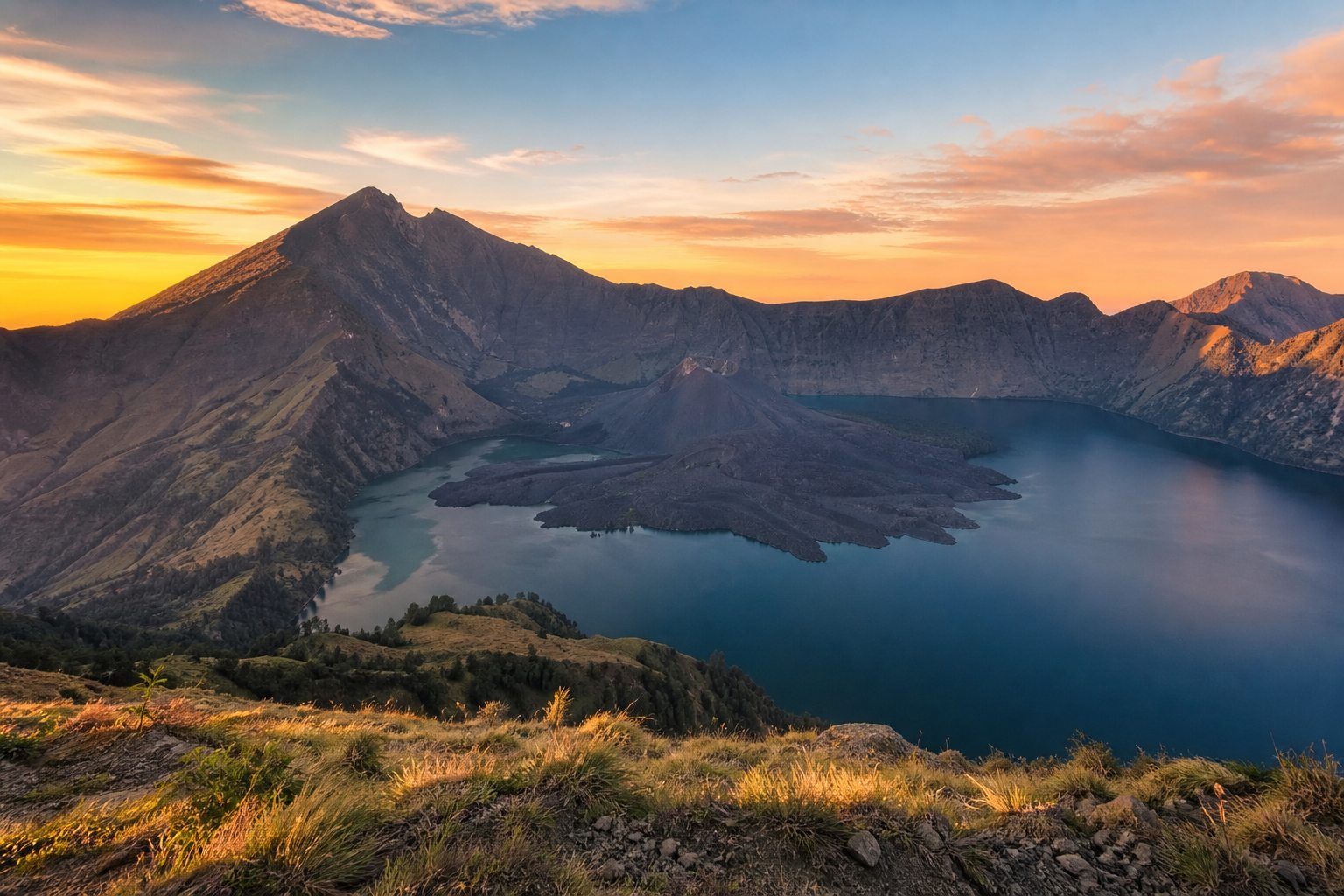 Mount Rinjani and Segara Anak
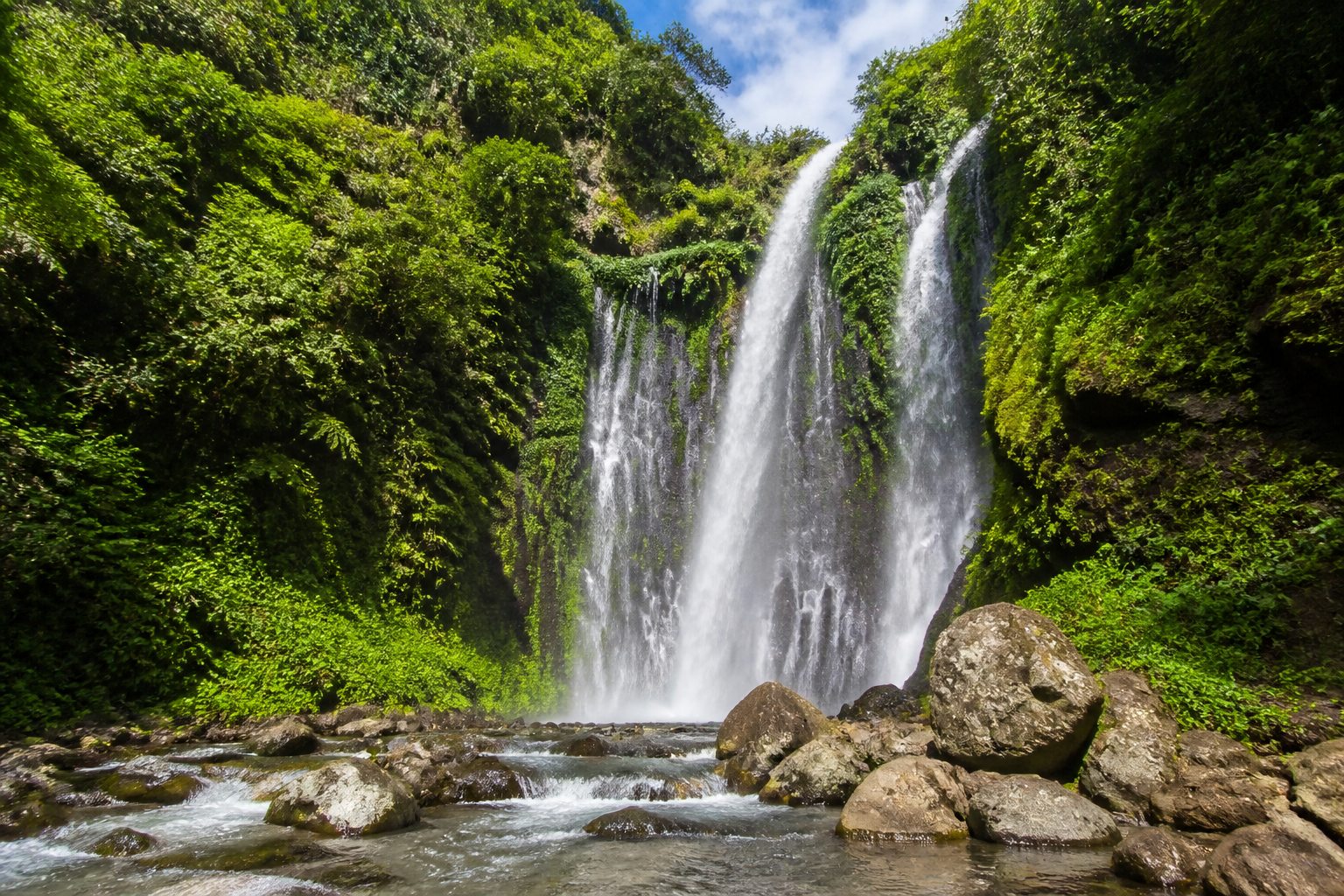 Tiu Kelep Waterfall
 Mawun Beach
 Kuta Mandalika Beach
 Tanjung Aan Beach
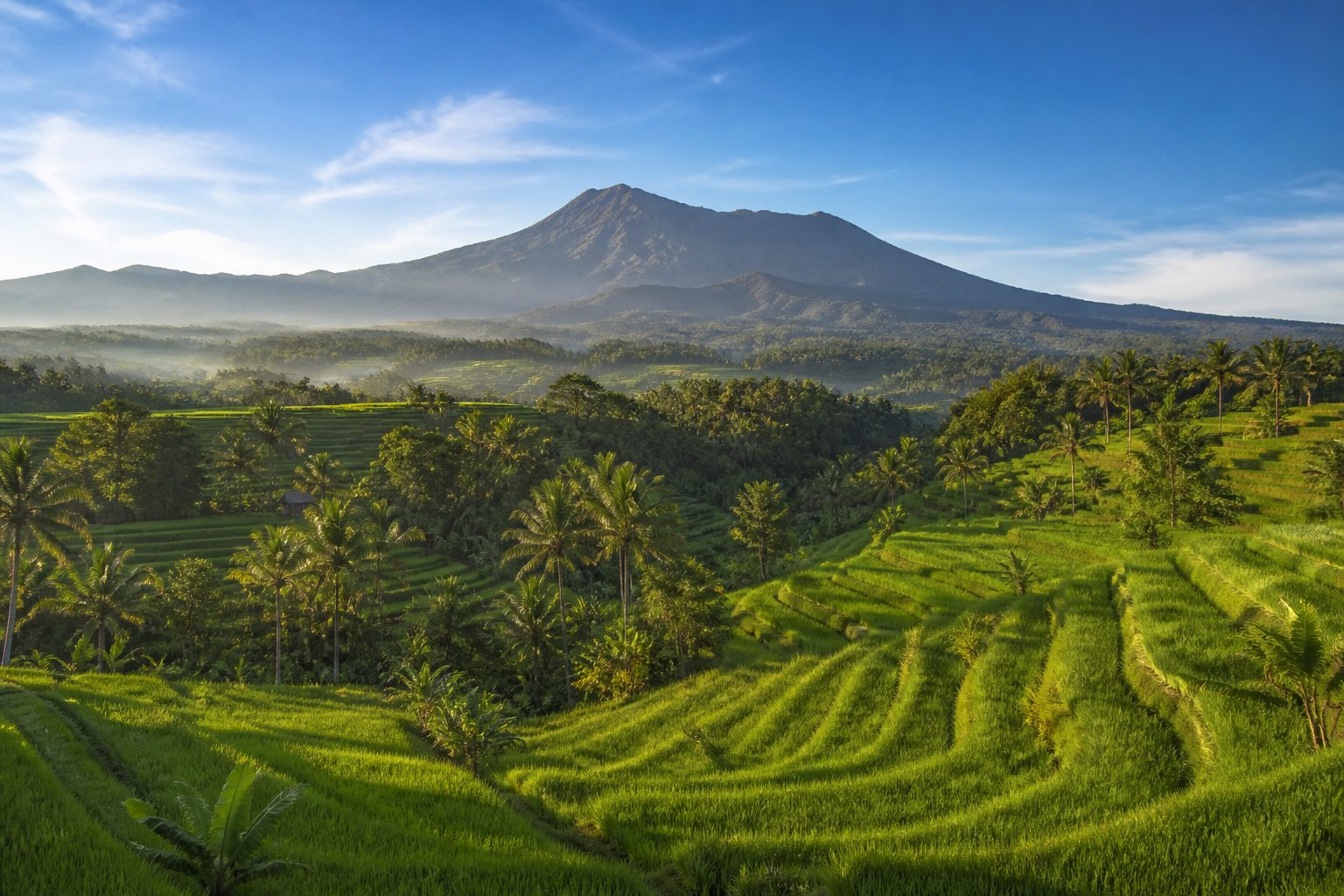 Tetebatu Rice Terraces
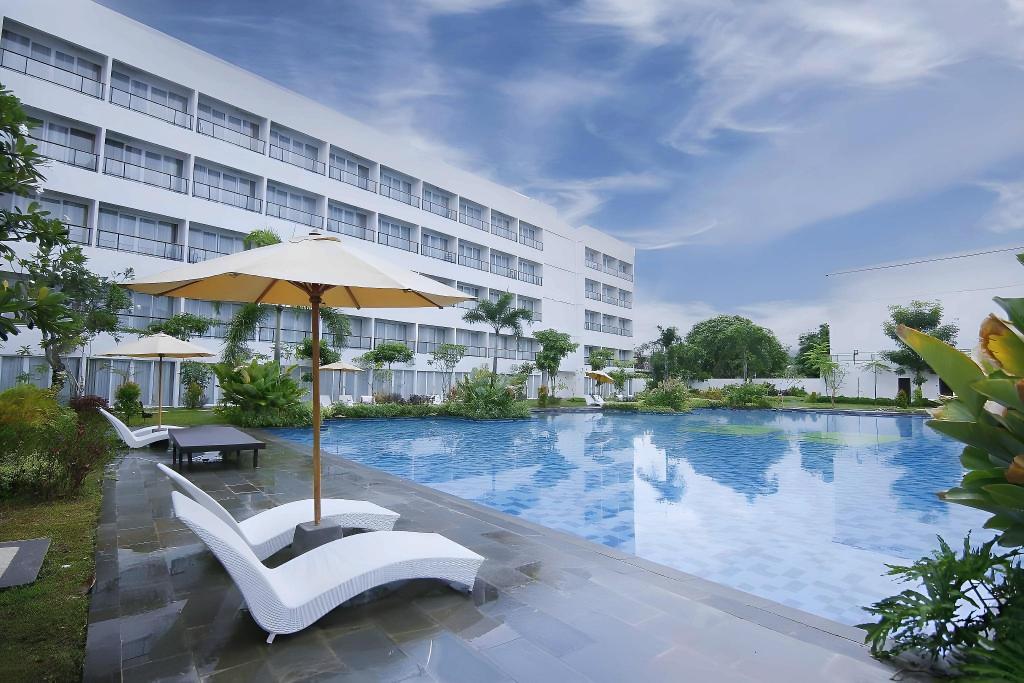 Resort Pool and Exterior
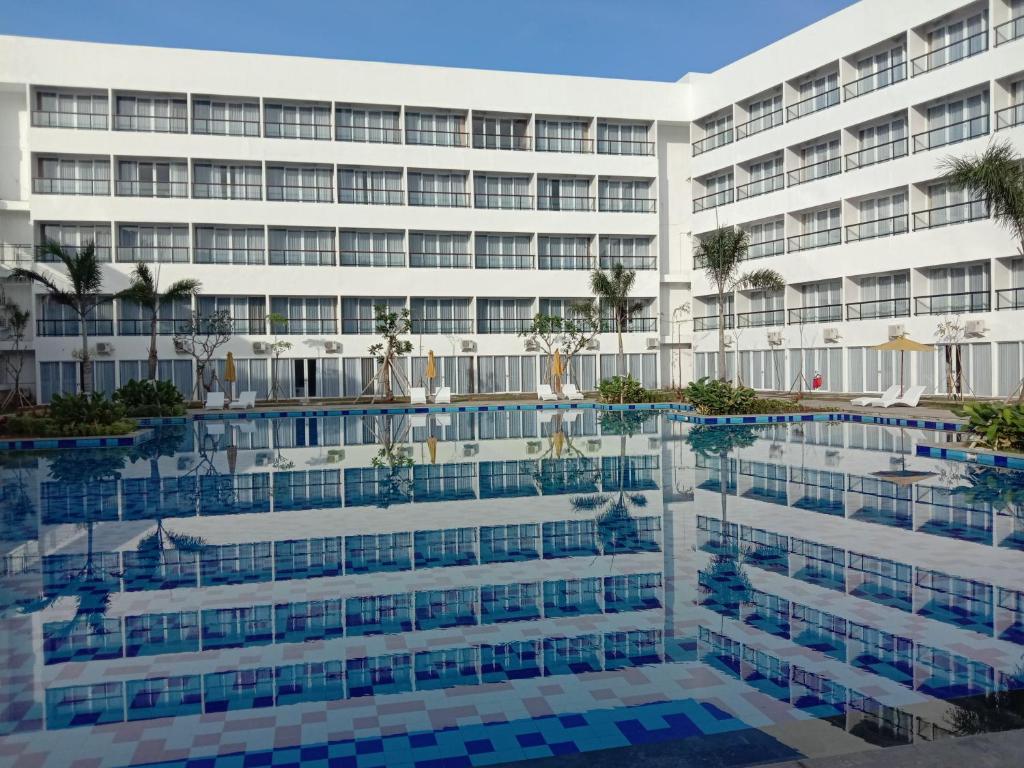 Resort Pool Courtyard
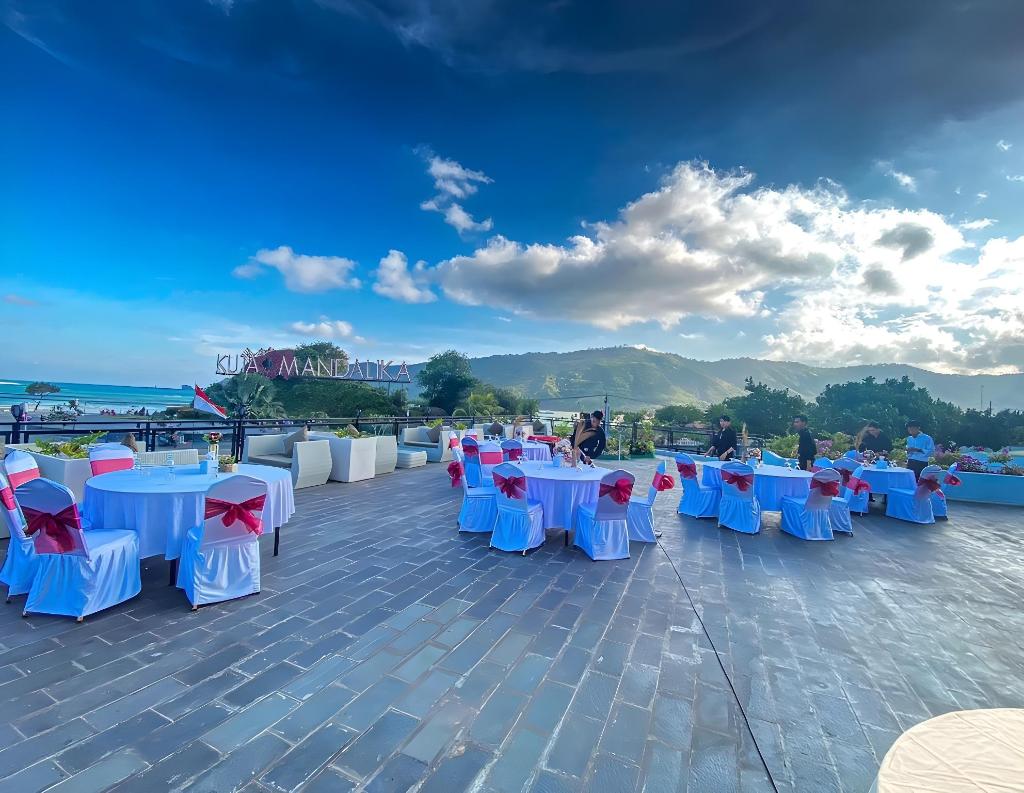 Mandalika Rooftop Event Terrace
Welcome to ICISDev 2026
Universitas Hamzanwadi warmly welcomes researchers, academics, policymakers, practitioners, industry representatives, students, community leaders, and development partners to the International Conference on Innovation and Sustainable Development (ICISDev) 2026.
Held in the Mandalika Resort, Lombok, Indonesia, and accessible through a hybrid format, ICISDev 2026 provides an international platform for sharing research, innovation, local knowledge, and practical solutions for sustainable regional development.
The conference is guided by the theme:
Local Wisdom Research and Innovation towards Regional Sustainable Development
ICISDev 2026 recognizes that sustainable development is not achieved through technology alone. It requires responsible innovation, inclusive participation, cultural continuity, environmental stewardship, social resilience, and meaningful collaboration between universities, governments, industries, and communities.
Join us to exchange ideas, present research, build partnerships, and explore how local wisdom can inspire innovative solutions for a more inclusive, resilient, and sustainable future.
Research, partnership, and meaningful regional impact
Research and Innovation
- Present research and innovation to an international academic audience.
- Exchange ideas across education, technology, business, health, environment, tourism, culture, and social development.
- Explore local wisdom as a source of knowledge, resilience, and sustainable innovation.
Connection and Opportunity
- Connect with researchers, policymakers, practitioners, industry, and community partners.
- Receive opportunities for academic dissemination and publication consideration, subject to editorial and peer-review requirements.
- Experience Lombok's distinctive cultural, environmental, and tourism context.
ICISDev 2026 aims to:
- Disseminate high-quality research and innovative practices related to sustainable development.
- Strengthen collaboration among universities, researchers, governments, communities, professional organizations, and industry.
- Promote local wisdom as a source of knowledge, innovation, resilience, and sustainable development practice.
- Encourage interdisciplinary dialogue across education, business, technology, social sciences, health, environment, tourism, and culture.
- Support researchers and emerging scholars in presenting, improving, and publishing academic work.
- Generate practical recommendations and collaborative opportunities for regional development.
Conference Tracks
Track 1: Education and Learning Innovation
Teaching and learning innovation, curriculum development, educational technology, artificial intelligence in education, assessment, teacher education, higher education, inclusive education, educational leadership, and education management.
Track 2: Social Sciences, Humanities, and Community Development
Sociology, communication, language, culture, history, public policy, social innovation, community empowerment, local wisdom, governance, human behavior, and community development.
Track 3: Economics, Business, Management, and Entrepreneurship
Marketing, entrepreneurship, finance, human resources, digital business, organizational behavior, sustainable business, green economy, innovation management, and regional economic development.
Track 4: Science, Technology, Engineering, and Digital Innovation
Applied science, information technology, artificial intelligence, data science, digital transformation, engineering, innovation systems, smart solutions, and technology for society.
Track 5: Health, Environment, and Sustainable Development
Public health, health promotion, environmental management, climate action, disaster resilience, sustainable resource management, community health, and green or low-carbon practices.
Track 6: Tourism, Culture, and Creative Economy
Sustainable tourism, destination management, tourism marketing, cultural heritage, local products, community-based tourism, creative industries, green tourism, and destination resilience.
Registration Payment
Offline (Onsite) Registration
| Category | Early Bird 31 Aug – 30 Sep 2026 |
Regular Bird 1 Oct – 10 Nov 2026 |
||
|---|---|---|---|---|
| IDR (National) | USD (Int'l) | IDR (National) | USD (Int'l) | |
| Presenter (Non-Student) | Rp 1.200.000 | US$ 68 | Rp 1.700.000 | US$ 96.33 |
| Presenter (Student) | Rp 1.000.000 | US$ 56.66 | Rp 1.400.000 | US$ 79.33 |
| Participant | Rp 800.000 | US$ 45.33 | Rp 1.000.000 | US$ 56.66 |
Online Registration
| Category | Early Bird 31 Aug – 30 Sep 2026 |
Regular Bird 1 Oct – 10 Nov 2026 |
||
|---|---|---|---|---|
| IDR (National) | USD (Int'l) | IDR (National) | USD (Int'l) | |
| Presenter (Non-Student) | Rp 500.000 | US$ 28.33 | Rp 800.000 | US$ 45.33 |
| Presenter (Student) | Rp 300.000 | US$ 17 | Rp 600.000 | US$ 34 |
| Participant | Rp 200.000 | US$ 11.33 | Rp 400.000 | US$ 22.67 |
Registration payment includes
ICISDev 2026 starts in
Local Wisdom Research and Innovation towards Regional Sustainable Development, 25-26 November 2026.
Important Dates
Call for Papers Opens
Paper submission and participant registration begin.
Submission Deadline
Submit your abstract through the online submission system.
Peer Review Period
All submissions are reviewed by the scientific committee.
Acceptance Notification
Notification of acceptance 3 days after submission.
Conference Date
Keynotes, invited talks, parallel sessions, and networking.
The organizing committee reserves the right to adjust deadlines and will announce changes through official channels.
Author and Listener Guidelines
- Authors are invited to submit an abstract in English using the official abstract template.
- The Scientific Committee will review all submitted abstracts.
- Authors of accepted abstracts will be invited to present their work at the conference. At least one author must register and present.
- Submit the abstract through the online submission system.
- Information regarding full paper submission (including the template and schedule) will be announced after the abstract review process.
- Listener registration is available through the link below for participants who wish to attend the conference without presenting.
Publication Opportunities
Selected high-quality manuscripts may be considered for conference proceedings, an official book of abstracts, or relevant scholarly publication outlets. Publication is not automatic and remains subject to scope, editorial decision, peer review, and publication ethics.
Conference Activities
Plenary Program
- Opening ceremony and institutional remarks.
- Keynote plenary sessions.
- Invited speaker sessions.
Academic Program
- Parallel paper presentations.
- Thematic discussions and research forums.
- Question-and-answer sessions.
Engagement
- Academic networking and partnership discussions.
- Selected cultural or local engagement activities.
- Conference synthesis, recognition, and closing.
Submit Your Research
Researchers and practitioners are invited to submit original research papers, conceptual papers, review papers, case studies, community-based innovations, and applied development studies related to the conference theme and tracks.
A submission should clearly explain:
- The research or development problem.
- The objectives and relevance of the work.
- The methods or approach used.
- The main findings, innovation, or contribution.
- The implications for sustainable regional development.
All submissions are subject to scope screening, academic review, originality requirements, research ethics, and the submission guidelines issued by the scientific committee.
RegisterTwo Days of Knowledge Exchange
Day 1
- Morning: Registration, technical preparation, opening ceremony, institutional remarks, keynote plenary, and discussion.
- Afternoon: Invited talks, parallel paper presentations, academic networking, and selected cultural or local engagement activities.
Day 2
- Morning: Keynote or invited session, thematic panel or research forum, and parallel paper presentations.
- Afternoon: Final parallel sessions, conference synthesis, recognition where applicable, closing ceremony, and follow-up networking.
The detailed schedule, presentation times, moderators, online links, and room assignments will be published after the academic program is finalized.
Who Can Participate?
Participants
- University lecturers and researchers.
- Postgraduate and undergraduate students.
- Government officials and policymakers.
- Industry representatives and entrepreneurs.
- Professional associations and development organizations.
- Non-government organizations and community groups.
- International scholars and institutional partners.
Participation Options
Participants may attend as presenters, non-presenting participants, invited guests, partners, or institutional representatives.
Hybrid Participation
The conference combines onsite participation in Lombok with online access for international and remote participants. Online presenters should prepare a stable internet connection, a clear presentation file, functional audio and video, and access to the platform specified by the technical committee.
The committee will provide technical information, session links, presentation instructions, and updates through official communication channels.
Lombok and the Mandalika Setting
Lombok offers a meaningful setting for a conference on local wisdom and sustainable development. Its cultural traditions, community knowledge, natural landscapes, tourism potential, creative economy, and regional development challenges provide valuable contexts for interdisciplinary research and responsible innovation.
Participants are encouraged to consider how academic ideas can respond to local realities while remaining relevant to comparable regions internationally.
Organizing Structure
The conference is coordinated by Universitas Hamzanwadi through the designated organizing structure.
Leadership and Administration
- Steering and responsible leadership: Institutional direction, approval, strategic support, and high-level coordination.
- Conference chair and secretariat: Implementation, correspondence, registration, documentation, and administration.
- Scientific and session committee: Scope, paper review, academic program, moderators, presenters, and session quality.
- Publication and proceedings team: Templates, manuscript workflow, proceedings, and publication communication.
Operations and Partnership
- Information technology and documentation team: Website, hybrid platform, technical support, audiovisual services, and digital files.
- Public relations and promotion team: Outreach, media, promotional materials, and participant information.
- Logistics, venue, and hospitality teams: Rooms, equipment, signage, guest handling, catering, and participant experience.
- Sponsorship and partnership team: Partnership packages, sponsor communication, benefits, and support records.
Conference Outputs
- Academic presentations and knowledge exchange.
- Proceedings or official book of abstracts, where applicable.
- Publication submissions and editorial follow-up.
- New institutional and research networks.
- Recommendations for sustainable regional development.
- Conference report, documentation, certificates, and dissemination materials.
Universitas Hamzanwadi
Directorate of Research and Community Engagement
Lombok, Indonesia
Raja Hotel Kuta Mandalika, Central Lombok, Indonesia
25–26 November 2026
Registration, templates, and partnership info available through official channels.